
Continuous force
Fixed appliances remain active between visits and do not rely on tray wear.
Braces remain a precise and important treatment system. Their visibility is only one factor in a much larger clinical decision.
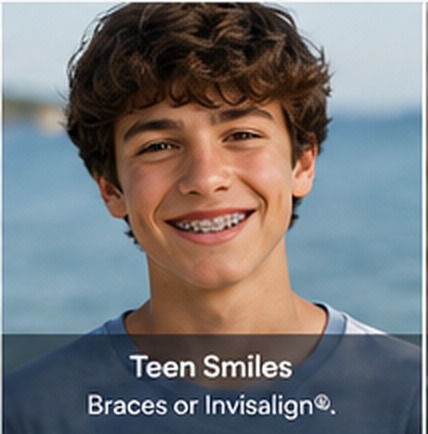
Brackets are bonded to teeth and connected by archwires. The clinician changes the wire, auxiliaries or elastic pattern over time to guide movement. Because the appliance is fixed, braces can be useful when movements are complex, wear compliance is uncertain or precise control is a priority.
That does not make braces automatically better. Hygiene is more demanding, food choices require care, breakages can occur and visible appliances matter to some patients. The right comparison is case-specific and should include both clinical predictability and the patient’s daily reality.
Use these as a decision filter at a real consultation.
Fixed appliances remain active between visits and do not rely on tray wear.
Brackets, wires and auxiliaries can provide direct control for rotations, vertical changes and bite correction.
Plaque can collect around brackets. Brushing, interdental cleaning and regular dental care are essential.
Braces coming off is not the endpoint until the bite is assessed and retention is delivered.
Metal braces are generally compact and durable. Ceramic brackets can reduce visual contrast on the front teeth but may be bulkier, more brittle or handled differently depending on the system and tooth position.
Ask whether the proposed bracket choice changes the mechanics, fee, breakage risk or treatment duration in your case rather than assuming it is purely cosmetic.
Braces may be discussed for substantial rotations, extrusion, complex space closure, impacted teeth, significant bite correction or cases in which aligner wear is unlikely to be reliable. Those are examples, not a diagnosis.
A provider should explain which movement is expected to be more predictable with fixed appliances and whether any combination approach is being considered.
Expect more time for cleaning and greater attention to foods that can dislodge brackets or distort wires. Orthodontic wax, a small cleaning kit and clear instructions for after-hours problems reduce avoidable disruption.
Contact the treating office for a wire causing injury, a loose bracket, significant swelling, trauma or pain that is not following the expected pattern. Do not cut or alter an appliance unless the office directs you.
Ask who performs the diagnostic assessment, who places and adjusts the braces, how emergencies are covered, and whether specialist orthodontic assessment is recommended for the problem identified.
Verify a claimed orthodontic specialty through the BCCOHP public registry. Marketing terms such as ‘braces provider’ or ‘orthodontic services’ do not by themselves establish specialist registration.
External sources can change. Verify current regulatory and product information at the linked publisher.
This website provides general education and does not diagnose, prescribe treatment or create a dentist-patient relationship. A licensed provider must examine the patient and review appropriate records. For pain, swelling, trauma, breathing difficulty, uncontrolled bleeding, infection or an appliance causing injury, contact a local dentist, treating provider or emergency service directly.