
Children
Timing matters. An early assessment may lead to observation, records or treatment, but age alone does not mean treatment should begin.
A practical map of the decisions that happen before, during and after braces or clear-aligner treatment.
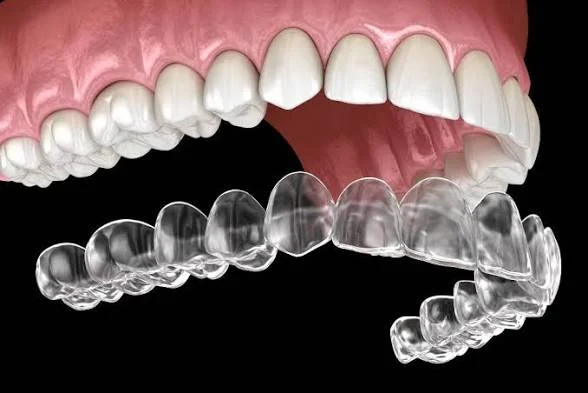
Treatment may involve observation, fixed braces, clear aligners, retainers, space management, growth-related decisions or collaboration with other dental professionals. The right pathway depends on what needs to move, what should not move, how the jaws relate, and whether the patient can follow the plan.
Nanaimo patients can encounter both general dental practices that offer selected aligner services and certified orthodontic specialists. Rather than treating those roles as interchangeable, ask who diagnoses the full bite, who approves the digital plan, who sees you when treatment does not progress as expected, and when referral is recommended.
Use these as a decision filter at a real consultation.
Timing matters. An early assessment may lead to observation, records or treatment, but age alone does not mean treatment should begin.
School, sport, hygiene and responsibility can influence whether removable aligners or fixed braces are more practical.
Relapse, gum health, missing teeth, crowns, implants and long-term wear patterns may affect sequencing and goals.
The active appliance is temporary. A clear retainer, bonded retainer or other retention plan protects the result.
A smile can look crowded while the underlying problem also includes a crossbite, deep bite, open bite, missing tooth, gum limitation or jaw discrepancy. Photos are useful records, but they are not a complete diagnosis.
A proper assessment may include medical and dental history, clinical examination, photographs, digital scans, radiographs and measurements selected for the case. Ask why each record is needed and how it changes the plan.
Braces are fixed to the teeth and can deliver continuous force without depending on the patient to reinsert an appliance. Clear aligners are removable and can simplify eating and brushing, but prescribed wear is part of the treatment itself.
Neither option is universally superior. The relevant comparison is whether the chosen system can deliver the required movements with an acceptable level of predictability, monitoring, hygiene and patient cooperation.
In British Columbia, both general dentists and certified specialists must be registered to practise. Orthodontics and dentofacial orthopedics is a recognized specialty, and the public registry can be used to verify a provider’s registration.
Some patients begin by asking their general dentist, especially when oral health or restorative work also needs attention. Others choose a specialist consultation directly. The correct path is the one that produces a sound diagnosis, clear accountability and appropriate referral when complexity exceeds the provider’s scope.
A written estimate should clarify diagnostic records, appliance type, regular visits, emergency appointments, replacement aligners, refinements, mid-course records, retainers and post-treatment checks. A lower initial number can cost more if key components are excluded.
Also ask what happens if you move, miss visits, stop wearing aligners, need dental treatment during orthodontics or decide not to proceed after records are taken.
External sources can change. Verify current regulatory and product information at the linked publisher.
This website provides general education and does not diagnose, prescribe treatment or create a dentist-patient relationship. A licensed provider must examine the patient and review appropriate records. For pain, swelling, trauma, breathing difficulty, uncontrolled bleeding, infection or an appliance causing injury, contact a local dentist, treating provider or emergency service directly.