
Wear and appliance care
Follow the prescribed schedule and handling instructions.
The treatment plan only works when wear, hygiene, appointments and early problem reporting remain consistent.
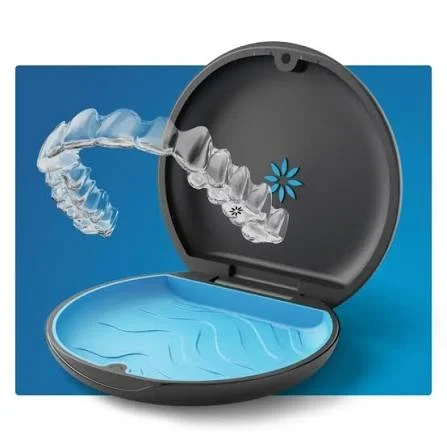
Aligner patients must meet the prescribed wear schedule, store trays safely and report fit problems. Braces patients must protect appliances, clean around brackets and report broken or painful components.
Both systems require regular dental care, provider monitoring and a plan for sport, travel, illness and missed appointments.
Use these as a decision filter at a real consultation.
Follow the prescribed schedule and handling instructions.
Clean teeth and appliances without substituting orthodontic visits for routine dentistry.
Report tracking, breakage, swelling or severe pain promptly rather than waiting.
Mild pressure and adaptation can occur, but escalating pain, swelling, trauma, infection or an appliance causing injury deserves direct clinical contact.
Internet instructions should not be used to force, cut or redesign an appliance unless the treating provider specifically directs it.
A useful review should consider:
No single photograph, scan or symptom can answer every one of those questions. The treating provider should explain which records are needed, what each record shows and how the findings change the plan.
When progress changes, the provider may adjust mechanics, repair an attachment, change wear instructions, rescan or revise the plan. Do not advance trays or stop treatment independently.
A missed appointment is not always harmless; ask whether the current wire, elastic or aligner stage can safely continue.
Keep the appliance case, wax, contact information and provider instructions available. During travel, carry aligners and retainers in hand luggage rather than checked baggage.
Take a clear photo of a problem when safe, identify the tooth or tray number and contact the treating office.
External sources can change. Verify current regulatory and product information at the linked publisher.
This website provides general education and does not diagnose, prescribe treatment or create a dentist-patient relationship. A licensed provider must examine the patient and review appropriate records. For pain, swelling, trauma, breathing difficulty, uncontrolled bleeding, infection or an appliance causing injury, contact a local dentist, treating provider or emergency service directly.