
Cause
Development, missing teeth, tooth-size mismatch, habits and periodontal change do not share one solution.
Spaces can result from tooth size, missing teeth, gum attachment, habits, relapse or bite relationships. The cause changes the plan and the risk of reopening.
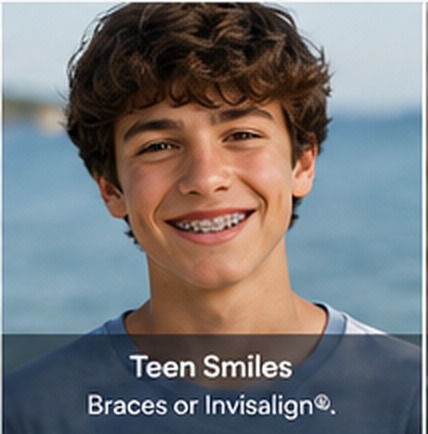
A midline space may be a normal developmental stage, a tooth-size mismatch, a prominent frenum, missing lateral incisors, a habit or relapse. Other spaces can be created by gum disease, drifting or restorative changes.
Orthodontic closure with braces or aligners may be appropriate, but sometimes the better plan is to redistribute space for bonding, veneers, implants or bridges. Retention is particularly important when the original cause continues to exert force.
Use these as a decision filter at a real consultation.
Development, missing teeth, tooth-size mismatch, habits and periodontal change do not share one solution.
One central gap and multiple small spaces require different aesthetic and functional planning.
A space may reopen even after excellent alignment if the underlying tendency remains.
Closing every space is not always the ideal aesthetic or restorative outcome. If teeth are unusually small or a tooth is missing, orthodontics may position the teeth so another provider can create correct tooth proportions.
The final plan should be agreed before movement begins. Otherwise, the orthodontic finish may leave restorative spaces in the wrong place or create tooth shapes that are difficult to balance.
The assessment should consider:
No single photograph, scan or symptom can answer every one of those questions. The treating provider should explain which records are needed, what each record shows and how the findings change the plan.
Clear aligners can be efficient for selected spacing because trays can control staged closure and use attachments for root position. Braces may provide direct control when roots, bite or larger movements need more complex mechanics.
Bonding or veneers can alter tooth width but do not correct every bite or root-position issue. A combined plan often produces a more stable and proportionate result than asking one treatment to solve all components.
Spaces can reappear quickly when retainers are not worn or a bonded retainer loosens. Ask whether a fixed wire, removable retainer or both are recommended and which teeth each appliance retains.
If a gap opens suddenly in an adult, especially with gum bleeding or tooth mobility, seek dental assessment rather than assuming it is simple orthodontic relapse.
External sources can change. Verify current regulatory and product information at the linked publisher.
This website provides general education and does not diagnose, prescribe treatment or create a dentist-patient relationship. A licensed provider must examine the patient and review appropriate records. For pain, swelling, trauma, breathing difficulty, uncontrolled bleeding, infection or an appliance causing injury, contact a local dentist, treating provider or emergency service directly.